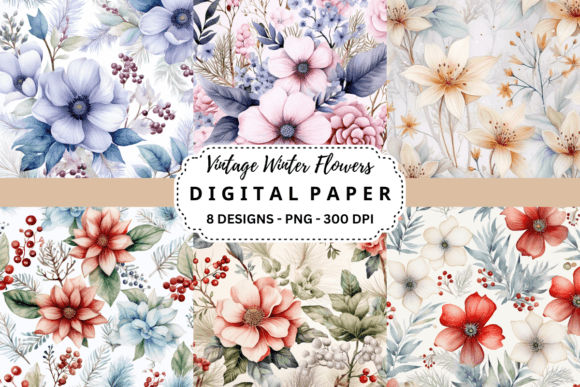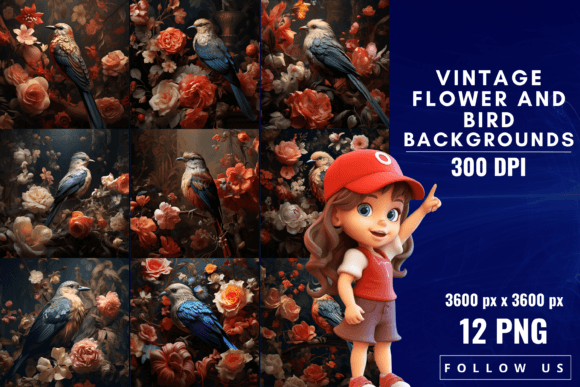
Embrace Timeless Elegance with Vintage Flower and Bird Backgrounds
More Than Just a Backdrop: The Visual Storytelling Power of Vintage Illustrations
In the fast-paced world of digital design, finding assets that convey authenticity and emotional depth can be a challenge. This is where Vintage Flower and Bird Backgrounds truly shine. These aren't merely decorative patterns; they are carefully curated collections of vintage illustrations that bring a specific, cherished aesthetic to any project. The visual language speaks of a bygone era—think of the delicate, hand-drawn quality of botanical prints from the 19th century, the soft, faded color palettes of aged paper, and the graceful, often symmetrical arrangements of flora and fauna.
The personality of these backgrounds is one of quiet sophistication and organic elegance. Each element, from the intricate petal of a rose to the poised silhouette of a songbird, is rendered with a level of detail that modern vector graphics often lack. This style carries an inherent warmth and a sense of history. It feels personal, as if each illustration was lovingly created in an artist's sketchbook. The overall appeal lies in its versatility; it can feel rustic and charming, or polished and aristocratic, depending on how it's applied. For a designer, this means having a tool that doesn't just fill space but actively contributes to the narrative of a brand or project.
Strategic Applications: Where These Backgrounds Create Maximum Impact
Understanding where to deploy these vintage-inspired design assets is key to leveraging their full potential. Their strength lies in projects that aim to build an emotional connection, convey heritage, or stand out with a handcrafted feel.
In brand identity and logo design, a subtle texture from a Vintage Flower and Bird Background can add immense depth. Imagine a boutique bakery's logo or the branding for a high-end floral shop. Using a faint, textured background in the logo mark or on business cards immediately communicates artisanal quality and attention to detail. It sets a brand identity apart from the clean, minimalist logos that dominate the market, offering a memorable and tactile experience.
For editorial and packaging design, the applications are particularly powerful. A cookbook focusing on heirloom recipes, a novel set in the past, or a magazine feature on gardening can use these backgrounds for chapter pages, section dividers, or cover art. The illustrations act as visual anchors that reinforce the content's theme. In packaging, they can transform a simple box or label for products like tea, soap, or specialty foods into a gift-worthy item. The display font style of the illustrations pairs beautifully with elegant serif or script typeface choices for product information, creating a cohesive and luxurious unboxing experience.
The digital realm is equally fertile ground. Web design for artisanal e-commerce sites, wedding planners, or photography portfolios can use these backgrounds to create immersive homepages or "about me" sections that tell a richer story. On social media graphics, they provide a consistent and beautiful backdrop for quote posts, promotional announcements, or Instagram stories, helping a brand maintain a cohesive aesthetic that boosts recognition and engagement. The high-resolution quality ensures they look crisp and professional on any screen.
A Practical Guide to Selection and Implementation
Simply liking the look of a background isn't enough; successful implementation requires a bit of strategy. Here’s how to choose and use these assets effectively.
Evaluating Project Fit: First, consider your project's core message. Does it align with themes of nature, history, romance, or craftsmanship? If you're designing for a tech startup, this might not be the right fit. But for a wedding invitation suite, a heritage brand, or a children's book, it could be perfect. Look at the specific illustrations within the collection. Do the flowers and bird species feel appropriate for your audience and region?
Mastering Font Pairings and Hierarchy: The ornate nature of these backgrounds demands careful font pairing. The key is contrast and clarity. Avoid pairing them with other highly decorative script fonts or handwritten fonts, which can create visual chaos. Instead, opt for clean, readable sans serif fonts for body text or a strong, classic serif font for headlines. This creates a clear visual hierarchy where the background enhances, rather than competes with, your typography. For instance, a bold serif headline over a soft floral background, with a simple sans serif for body copy, achieves balance and readability.
Ensuring Professionalism and Licensing: Always source your premium font and background assets from reputable providers. This guarantees you receive high-quality files and, crucially, a clear commercial font and asset license. Understand the terms: can you use the backgrounds in items for sale? Are there restrictions on print runs or digital distribution? Using properly licensed assets is non-negotiable for professional and commercial work, protecting you legally and ensuring the creators are compensated.
Testing and Refinement: Don't just drop a background in and call it done. Experiment with opacity. Sometimes, reducing the opacity to 10-20% creates a subtle texture that adds depth without overwhelming the content. Use overlays—a solid color with low opacity or a gradient—to ensure text remains legible. Test your designs in both light and dark modes if they'll be viewed on screens. The goal is to let the vintage flower and bird backgrounds contribute to the mood, not dominate the conversation. When used with intention, they become a powerful component of your modern typography and design toolkit, elevating your work from ordinary to extraordinary.