Unlock Authentic Texture with Rustic Wooden Plank Seamless Backgrounds
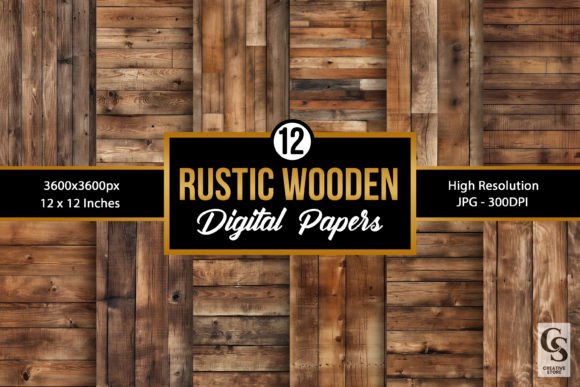
In the digital world, texture is the bridge between a flat screen and a tactile experience. We often spend hours hunting for the perfect serif font or the ideal color palette, yet we frequently overlook the canvas upon which these elements live. This is where Rustic Wooden Plank Seamless Backgrounds become a critical asset for designers, entrepreneurs, and crafters alike. These aren't just random images of wood; they are carefully curated digital papers designed to bring warmth, stability, and an organic aesthetic to any project. When you open that zip file containing your 12 high-resolution JPGs, you are unlocking a toolkit for adding instant character to your work.
The Aesthetic Appeal of Natural Wood Grain
There is a reason why "farmhouse" and "rustic" styles remain perennially popular in brand identity and interior design. Wood suggests craftsmanship, history, and reliability. These seamless backgrounds capture that essence perfectly. Unlike a standard stock photo, a seamless tile allows you to repeat the pattern infinitely without visible edges or jarring lines. This creates a cohesive surface that feels authentic rather than digital.
The visual characteristics of these backgrounds range from sun-bleached, weathered planks to rich, dark mahogany grains. This variety allows you to control the mood of your design. A lighter, knotty pine texture works beautifully for a casual, airy feel often seen in lifestyle blogs or stationery. Conversely, a darker, more refined grain can elevate a project, providing a sense of luxury and seriousness suitable for high-end packaging design or corporate backgrounds. The visual hierarchy of your project changes when the background has depth; text and graphics pop against the organic noise of the grain, making your message easier to read and more impactful.
Practical Applications for Modern Creators
The versatility of these design assets is where the real value lies. For the small business owner or crafter, the 3600 x 3600 pixel resolution at 300dpi is non-negotiable. It ensures that whether you are printing a large poster or a small notebook cover, the image remains crisp and professional. Here is how different professionals can leverage this set:
- Stationery and Journaling: If you create planners or sell digital stickers, a wood texture adds a cozy, grounding element to your pages. It acts as a neutral base that doesn't clash with colorful handwritten fonts or script fonts.
- Product Mockups: For those selling physical goods like tumblers, candles, or mugs, a rustic background provides context. It mimics a lifestyle setting without the cost of a photoshoot, helping customers visualize the product in a real-world environment.
- Digital Marketing: On social media, where feeds are often cluttered with neon colors and harsh graphics, a natural wood texture can be a visual relief. It grounds your call-to-action and makes your content feel more approachable and human.
- Invitations and Greeting Cards: Whether it’s a wedding invitation or a birthday card, the texture of wood suggests a celebration held in nature or a gathering of close friends. It pairs exceptionally well with modern typography to balance the old with the new.
Integrating Texture with Typography
One of the most common questions in design is how to pair assets. When using Rustic Wooden Plank Seamless Backgrounds, your choice of typography is paramount. Because wood grain is organic and somewhat "noisy," you generally want to avoid using a highly detailed script font or a thin, delicate serif font for body copy, as it might get lost in the texture.
Instead, consider these pairing strategies for readability:
- Bold Sans Serifs: A thick, clean sans serif font creates a striking contrast against the rough wood. This works well for headlines, logos, and web design headers where clarity is essential.
- Block Display Fonts: Using a heavy display font or slab serif can reinforce the sturdy nature of the wood, creating a strong, masculine, or industrial vibe.
- Color Blocking: If you must use a lighter typeface, place a semi-transparent shape or a solid color block behind the text. This technique, known as a "knockout," ensures your text remains legible while the wood texture frames the edges.
Remember that consistency is key to professionalism. If you use a specific wood texture for your Instagram stories, try to use a variation of it on your website or packaging. This repetition builds brand recognition and creates a unified experience for your audience.
Evaluating and Implementing Your Asset
Before diving into a project, take a moment to evaluate the specific plank texture you are using. Does the color cast of the wood match your brand’s color palette? Is the grain too busy for the amount of text you need to display? These are practical questions that separate amateur work from professional editorial design.
Since these files are provided as high-quality JPGs, they are compatible with virtually every design software on the market, from Adobe Photoshop and Illustrator to Canva and Procreate. This makes them an accessible premium font companion for users of all skill levels. Whether you are designing a logo, creating social media graphics, or wrapping a physical gift, these backgrounds offer a reliable way to inject personality into your work. By treating the background as an active participant in your design rather than just empty space, you create richer, more engaging visual content that resonates with your audience.