Warmth and Texture: Using Orange Brick Backgrounds
There is a specific kind of visual warmth that instantly grounds a design, moving it away from the sterile perfection of flat digital screens and closer to something tactile and authentic. Orange Brick Texture Backgrounds offer exactly this shift. They provide a rich, earthy foundation that feels both industrial and cozy, reminiscent of sun-drenched walls in a historic district or the rustic charm of a renovated loft. For designers and creators, these textures are not just filler; they are a statement piece. They bring a sense of history and stability to a project, suggesting that whatever content sits on top of it is substantial and built to last.
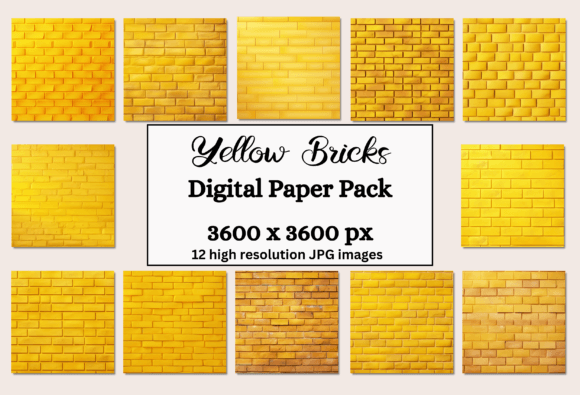
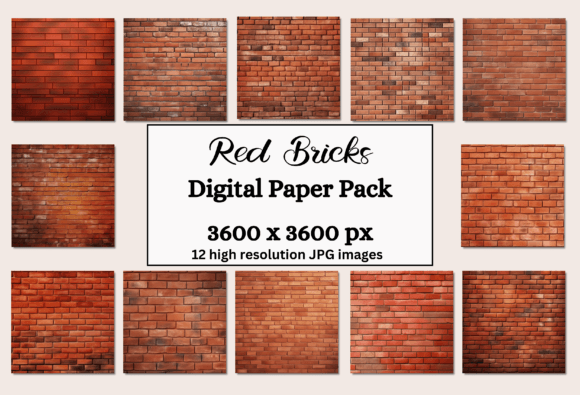
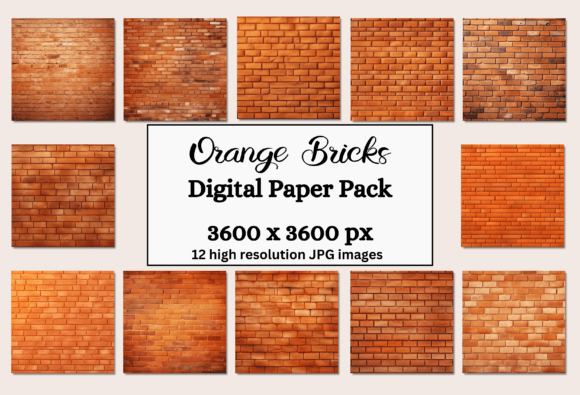
The visual character of these backgrounds is defined by their intricate detail and warm color palette. The orange tones range from deep terracotta to softer, sun-bleached hues, creating a dynamic surface that interacts beautifully with light. Each paper showcases sharp lines where mortar meets brick and rich, complex textures that mimic the slight imperfections of real-world materials. This high-quality artwork ensures that whether you are using a small section for a social media post or stretching the full 3600 x 3600 pixel canvas for a large print, the clarity remains impeccable. The texture adds depth without overwhelming the eye, making it a versatile asset for both bold, maximalist designs and cleaner, more minimalist layouts that need a touch of organic warmth.
Practical Applications for Modern Creators
Understanding where Orange Brick Texture Backgrounds fit best is key to unlocking their potential. Their personality is inherently adaptable, straddling the line between urban grit and rustic elegance. This makes them incredibly useful across a spectrum of projects. For digital marketers and social media managers, these backgrounds are a game-changer. They stop the scroll. A promotional graphic for a new coffee blend, a motivational quote for a fitness brand, or an announcement for a local market gains immediate visual interest when set against a textured brick wall. The texture provides enough contrast to make white or dark sans-serif typography pop, ensuring your message is both seen and felt.
Beyond the digital feed, these assets are perfect for branding and packaging design. Imagine a craft brewery using an orange brick texture on its bottle labels or a boutique bakery incorporating it into its menu design. It communicates a brand identity that is artisanal, sturdy, and welcoming. For publishers and content creators, the applications are just as broad. A blogger could use it to create unique featured images for articles about interior design, architecture, or urban lifestyle. It also serves as a fantastic base for junk journals and scrapbooks, adding a layer of photographic realism that paper alone cannot achieve. The texture becomes a unifying element, tying together disparate visual components into a cohesive and professional-looking whole.
Integrating Texture into Your Design Workflow
Successfully incorporating a strong texture like this requires a bit of strategic thinking. The goal is to use the background to enhance your content, not compete with it. Start by considering your typography. Because the background has a lot of visual information, pairing it with a clean, highly legible typeface is often the best approach. A bold sans-serif font for headlines and a simple serif or sans-serif for body text can create a clear hierarchy. The texture acts as the stage, and your text is the performer. Avoid using overly decorative or script fonts for large blocks of text, as the fine details can get lost against the intricate brickwork. Instead, reserve more expressive typefaces for short, impactful headlines where they can shine.
When evaluating the fit for your project, think about the emotional tone you want to set. Orange brick evokes feelings of creativity, stability, and warmth. It is an excellent choice for brands in the food, lifestyle, home decor, and creative services industries. Before committing to a final layout, test the background with your key design elements. Place your logo, your primary imagery, and your main text blocks on top to see how they interact. You may need to add a semi-transparent overlay—perhaps a dark gradient or a subtle color wash—to ensure readability, especially if you are placing text directly over the most textured areas. This is also a good time to test font pairings; see how a geometric sans-serif like Montserrat holds up against the organic lines of the bricks compared to a more traditional serif like Lora.
Finally, remember the technical advantages of a high-resolution digital file. The 3600 x 3600 JPG format gives you immense flexibility. You can crop in tightly to focus on a small section of bricks for a more abstract look, or use the entire image for a full-page background. This scalability means the asset is a long-term investment, suitable for everything from a small web icon to a large-format poster or even printed merchandise. While colors may vary slightly across different monitors, the inherent quality of the artwork ensures the texture's detail and impact remain consistent. By treating the Orange Brick Texture Background as a foundational design asset rather than just a simple picture, you can elevate the professionalism and visual appeal of nearly any creative project you undertake.