Geometric Gradient Backgrounds: A Modern Design Essential
In the world of digital design, the canvas you choose is just as important as the elements you place on it. A background can set the entire tone, mood, and level of professionalism for a project. This is where Geometric Gradient Backgrounds enter the scene, offering a sophisticated and dynamic solution for creators seeking a modern aesthetic. These assets are more than just a pretty pattern; they are a foundational design element that combines the precision of geometry with the fluid emotion of color gradients, creating a versatile tool for a wide range of applications.
The Anatomy of a Geometric Gradient
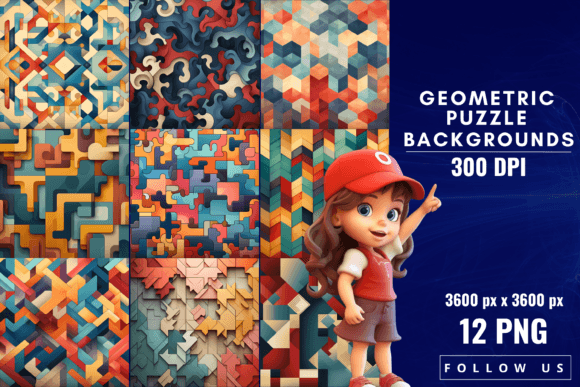
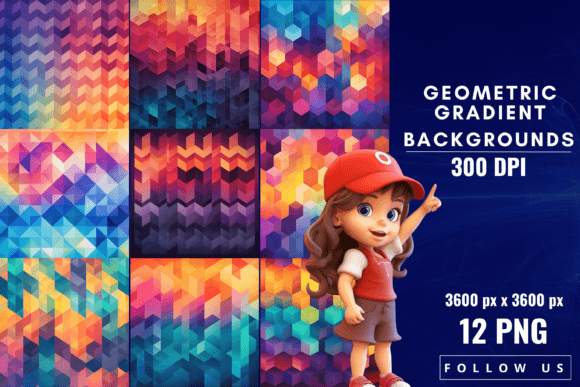
At its core, a geometric gradient background is a visual composition built on two key principles. The first is geometry—the use of shapes like triangles, hexagons, lines, circles, and polygons arranged in a deliberate, often repeating, pattern. This structure provides a sense of order, rhythm, and technical sophistication. The second principle is the gradient, a smooth transition between two or more colors. When these two concepts merge, the result is a background that feels both structured and organic, static and dynamic. The sharp lines of the geometric shapes create a framework, while the gradient breathes life and depth into the design, preventing it from feeling flat or rigid. This interplay is what makes these backgrounds so visually captivating; they are predictable in their structure but surprising in their color play.
Where Precision Meets Personality: Key Applications
The true strength of Geometric Gradient Backgrounds lies in their incredible versatility. They are not a one-trick pony but a chameleon-like asset that can adapt to the specific needs of a project. For a brand identity, particularly for a tech startup, a fintech company, or a modern consultancy, these backgrounds can instantly communicate innovation, precision, and forward-thinking values. Using a subtle geometric gradient as the background for a website hero section or a presentation slide deck elevates the entire look, making the brand appear more established and credible.
In marketing and social media, where grabbing attention is paramount, these backgrounds are invaluable. A bold, high-contrast geometric gradient can make a call-to-action pop on a landing page or serve as a stunning backdrop for a product launch announcement on Instagram. For editorial design, such as magazine layouts or blog post headers, they provide a sophisticated frame that doesn't compete with the main content but enhances its perceived value. Even in packaging design, a subtle geometric gradient can add a layer of premium quality, suggesting that the product inside is just as carefully crafted as its exterior. They function as a powerful design asset, ready to be deployed across digital and print mediums.
More Than a Backdrop: Influencing Perception and Engagement
A well-chosen background does more than just fill space; it actively shapes how an audience perceives your content. Geometric Gradient Backgrounds excel at this. By providing a clean, structured, yet visually interesting foundation, they improve visual hierarchy. Text and key graphics placed on top of these backgrounds are naturally framed and elevated, making the overall composition more readable and digestible. This clarity is crucial for everything from a complex infographic to a simple social media quote.
Furthermore, consistency is a cornerstone of strong branding. By incorporating a specific geometric gradient style—or a set of complementary gradients—across your various platforms, you build a cohesive and recognizable brand identity. This visual consistency fosters trust and professionalism. When a customer sees your website, your presentation, and your social media graphics all sharing a similar modern, sophisticated background style, it reinforces the message that your brand is organized, detail-oriented, and reliable. This subconscious influence on brand perception can be a significant competitive advantage, leading to better audience engagement and recall.
A Practical Guide to Selection and Use
Choosing the right background requires a thoughtful approach. First, consider the mood of your project. A gradient moving from deep blue to vibrant purple might suit a tech or creative agency, while a soft transition from beige to dusty rose could be perfect for a lifestyle brand. Always test the background with your actual content—your logo design, headlines, and body copy—to ensure there is enough contrast for readability. A common mistake is choosing a background that is too busy or vibrant, which can overpower the foreground elements.
When working with these assets, think about your font pairing. The clean, modern feel of geometric gradients pairs exceptionally well with clean sans serif fonts for a minimalist, tech-forward look. Alternatively, you can create an interesting contrast by pairing them with a classic serif font for a blend of modern and traditional aesthetics. Avoid overly ornate script fonts or handwritten fonts unless you are aiming for a very specific, high-contrast style, as they can clash with the structured geometry.
Finally, always be mindful of licensing. Most high-quality geometric gradient packs are considered premium fonts or assets and come with specific terms. Ensure you have a commercial font license if you plan to use them in client work, products for sale, or large-scale marketing campaigns. Reviewing the included styles and variations before purchasing will ensure the asset library meets the full scope of your project's needs, providing you with a versatile toolkit for creating contemporary and visually impressive work.