The Art of Storytelling: Coffee and Literature Backgrounds
There is a distinct feeling that comes from the convergence of the smell of old paper and fresh espresso. It is a sensory experience that designers often try to capture but rarely succeed in visualizing until they find the right assets. Coffee and Literature Backgrounds are not just a collection of stock images; they are curated environments. They represent a specific aesthetic that blends the intellectual stimulation of reading with the cozy comfort of a café. For anyone working in creative fields—from editorial design to social media graphics—these visuals provide a narrative foundation before you even type a single word.
Visual Characteristics and Atmosphere
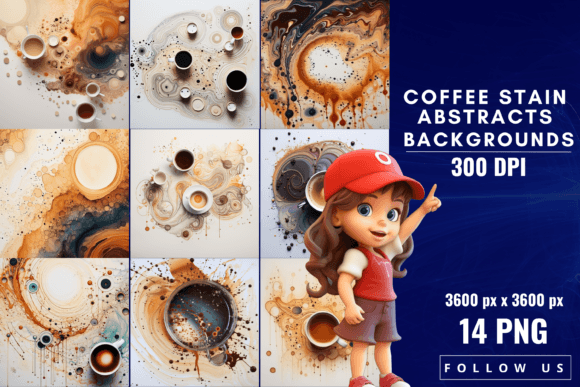
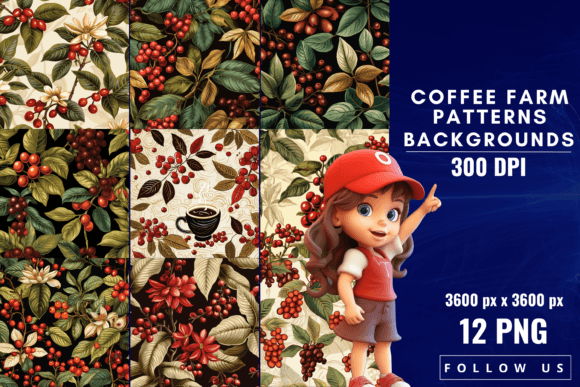
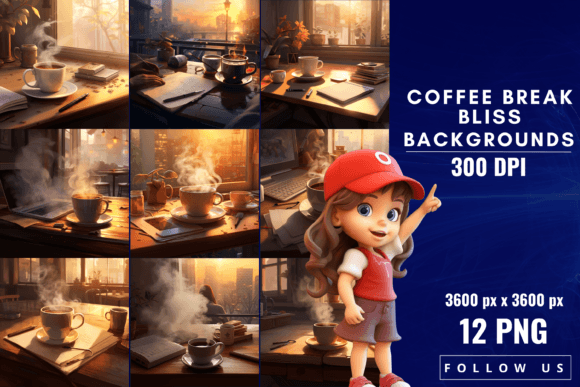
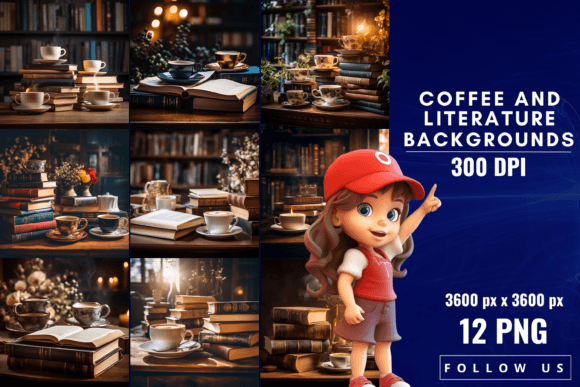
When we talk about the visual language of these backgrounds, we are discussing a palette of warmth and texture. The typical Coffee and Literature Backgrounds features deep browns, creamy beiges, and the muted tones of aged parchment. You will often see the interplay of light and shadow, perhaps sunlight streaming through a window onto a stack of hardcovers, or the steam rising from a ceramic mug. These elements create a "lived-in" look that feels authentic rather than sterile.
The personality of these assets is sophisticated yet approachable. Unlike the stark minimalism of modern corporate design, this style embraces clutter—organized clutter. It suggests a life of thought, leisure, and creativity. This makes them an ideal design asset for projects that need to convey depth and intelligence without being intimidating. The textures—whether it is the grain of a wooden table or the weave of a book spine—add a tactile quality to digital screens, bridging the gap between the physical and the digital world.
Strategic Applications for Professionals
Understanding where to deploy these backgrounds is key to maximizing their impact. For brand identity work, particularly for independent bookstores, coffee roasters, or lifestyle coaches, these backgrounds serve as the backbone of the visual system. They set a mood that is instantly recognizable and highly engaging.
- Publishing and Editorial Design: If you are a publisher or a blogger, using Coffee and Literature Backgrounds for header images or chapter title pages adds immediate context. It tells the reader, "This is a space for thought." It pairs exceptionally well with serif fonts for a classic look or a clean sans serif font for a more contemporary editorial feel.
- Digital Marketing and Social Media: In the fast-paced scroll of Instagram or Pinterest, these backgrounds act as a visual pause. They are perfect for quote graphics, book reviews, or promotional banners for literary events. The warmth of the image increases the "stop-scroll" factor, encouraging higher engagement rates.
- Web Design and UX: For websites related to authors, libraries, or café menus, these backgrounds can be used as hero images or subtle textures behind content blocks. When used correctly, they create a welcoming user experience that invites visitors to stay longer.
- Packaging Design: Artisanal products, such as specialty teas, gourmet chocolates, or stationery, benefit greatly from this aesthetic. Using these backgrounds on packaging suggests a premium, handcrafted product quality.
Influence on Brand Perception and Engagement
The choice of background imagery directly influences how an audience perceives a brand. By utilizing Coffee and Literature Backgrounds, you are signaling specific values: wisdom, comfort, tradition, and creativity. This is a powerful psychological trigger. It moves a brand away from being purely transactional and towards being relational.
For example, a marketing agency might use a clean, modern layout for their main site, but incorporating these backgrounds into their blog posts or newsletter headers can soften their image, making them seem more approachable and creative. This consistency helps in building brand recognition. When your audience associates your content with that specific feeling of comfort and intellect, they are more likely to trust your message. It is about creating a cohesive visual story where the background supports the foreground content, rather than fighting with it.
Practical Guidance for Designers and Creators
Integrating these assets into your workflow requires a bit of strategy to ensure they enhance rather than overwhelm your design. Here is a practical approach to working with Coffee and Literature Backgrounds:
- Evaluating Project Fit: Before selecting a background, consider the tone of your message. Is it a serious literary critique or a casual lifestyle tip? Choose an image that matches the energy. A dark, moody library background suits mystery novels, while a bright, airy café table fits a lifestyle blog.
- Typography and Hierarchy: These backgrounds are often busy. To maintain readability, you need to create contrast. Use bold, high-contrast typography. A modern typography approach works well here. Consider adding a slight overlay or a text box with a solid or semi-transparent background to ensure your message isn't lost in the details of the books and coffee cups.
- Font Pairing: The aesthetic of these backgrounds pairs beautifully with a variety of typefaces. A script font can add a personal, handwritten touch, perfect for quotes. A sturdy display font can anchor a headline. However, avoid overly decorative handwritten fonts that might become illegible against the textured background.
- Licensing and Usage: Always verify the licensing terms. Whether you are using them for personal hobby projects or large-scale commercial campaigns, ensuring you have the right to use the asset is crucial for professional integrity.
Ultimately, Coffee and Literature Backgrounds