Timeless Style: Mastering Plaid Backgrounds Scrapbook Paper
In the fast-paced world of digital design, finding textures that feel authentic rather than manufactured is a constant challenge. We often see gradients and geometric shapes dominate the landscape, but there is a distinct warmth to textile-inspired patterns that brings a sense of grounding to a project. This is where the specific charm of Plaid Backgrounds Scrapbook Paper comes into play. It is more than just a digital file; it is a bridge between traditional craft aesthetics and modern digital precision. Whether you are a seasoned graphic designer looking to add texture to a logo concept or a hobbyist creating a family photo album, this resource offers a surprisingly versatile foundation.
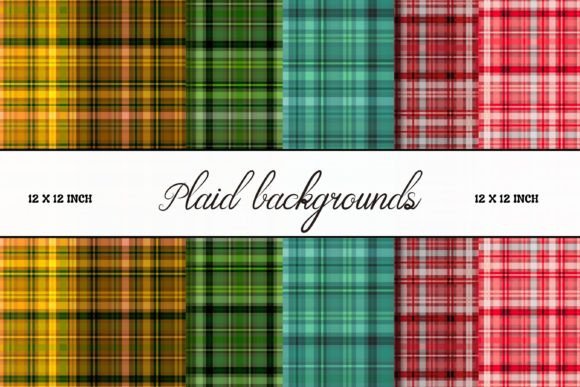
When you download this collection, you are securing a set of high-resolution assets designed for flexibility. The package includes a zip folder containing three distinct JPG files, each featuring a two-toned design. With a resolution of 300dpi and dimensions of 3600 x 3600 pixels (12" x 12"), these files are print-ready. This means you can scale them for large format printing or use them for intricate digital work without losing clarity. The two-toned nature of the designs is particularly helpful here; it provides visual interest without overwhelming the content you place on top of it.
The Psychology of the Pattern
Why choose plaid? In design theory, patterns communicate specific moods. Plaid has a long history associated with heritage, warmth, and reliability. It evokes a sense of the artisanal and the handcrafted. For a brand identity project, using a plaid background can instantly make a company feel more approachable and trustworthy. It suggests that the business values tradition and quality over fleeting trends. This makes Plaid Backgrounds Scrapbook Paper an excellent choice for businesses in the lifestyle, food, or handmade goods sectors.
However, do not mistake "traditional" for "outdated." Modern design trends often mix textures to create depth. A sharp, sans serif font set against a soft, plaid background creates a striking contrast between the digital and the analog. This juxtaposition is a powerful tool in visual hierarchy. The texture of the plaid draws the eye, while the clean typography ensures the message remains legible and punchy. It is about balancing the "noise" of the pattern with the clarity of your content.
Practical Applications for Creators
The utility of these design assets extends far beyond simple background filling. Because the files are high-resolution, they are ideal for physical products. Think about the unboxing experience for a small e-commerce brand. Using these patterns as wrapping paper or tissue paper liners adds a tactile, premium feel that customers remember. Similarly, for greeting cards and invitations, a plaid pattern can serve as a border or a full bleed background that feels festive yet sophisticated.
For digital creators, specifically those involved in social media graphics or web design, consistency is key. Using a recurring background texture across your Instagram stories or website banners helps build recognition. The Plaid Backgrounds Scrapbook Paper offers a neutral enough palette in its two-toned designs to work with a variety of color schemes. You can easily overlay your brand colors using blend modes in Photoshop or Canva, effectively customizing the asset to match your specific brand identity.
Integrating Texture with Typography
One of the most common pitfalls in graphic design is the clash between busy backgrounds and text. When working with a patterned asset like this scrapbook paper, you must be strategic about your typography choices. If you are designing a header for a blog post, for instance, a heavy display font might get lost in the plaid lines. Instead, consider using a serif font with distinct weight, or placing a semi-transparent overlay behind the text to separate it from the background.
Furthermore, this type of texture works beautifully as an accent rather than the main event. In editorial design, you might use the plaid pattern for sidebar graphics or pull quotes. In packaging design, it could serve as the inner lining of a box. The goal is to use the texture to enhance the perceived value of the project. It adds a layer of richness that flat colors often lack. It signals to the viewer that care was taken in the design process.
Technical Considerations and Workflow
As a creative professional, your workflow efficiency matters. Since these files are delivered as JPGs, they are universally compatible with almost every design software available, from Adobe Illustrator to Procreate. The 300dpi specification is non-negotiable for print work; it ensures that your DIY craft projects look crisp and professional. If you are creating a poster or a flyer, you will not see pixelation or jagged edges.
When selecting which of the three designs to use, consider the "visual weight" of the pattern. A tighter, smaller-scale plaid will read as a texture from a distance, making it ideal for large backgrounds. A larger-scale plaid becomes a graphic element in itself and demands more space. Always test your font pairing on the actual background before committing to a final design. What looks good on a white screen often changes when placed on a colored, textured surface. By taking the time to evaluate the fit, you ensure that your final product—whether it is a digital ad or a physical scrapbook page—feels cohesive and intentional.