Where Geometry Meets the Wild: Using Nature-Inspired Backgrounds
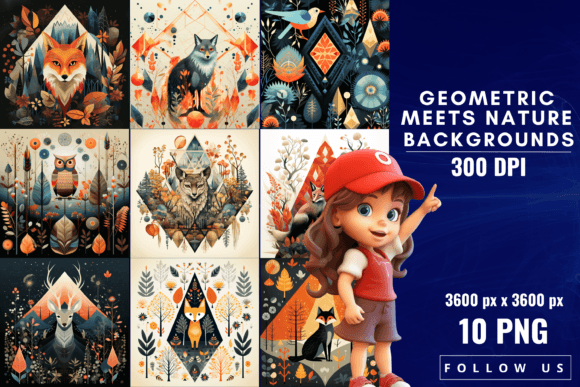
There’s a specific tension in design that’s incredibly powerful: the meeting of the man-made and the natural. On one side, you have the crisp, predictable order of geometry—lines, polygons, grids. On the other, the chaotic, textured, and flowing beauty of the organic world. For years, designers treated these as separate spheres. You either went for a clean, corporate look or a rustic, earthy one. But the most compelling visual stories today often happen at the intersection. This is where Geometric Meets Nature Backgrounds come into play, offering a sophisticated solution for projects that need both structure and soul.
Imagine a canvas where the rigid perfection of a hexagonal grid is softened by the delicate veins of a leaf, or where sharp triangular shards seem to grow from a bed of moss. This isn't just a pattern; it's a visual philosophy. These backgrounds don't just sit behind your content; they create a context. They suggest a brand that values both innovation and authenticity, precision and growth. For a designer, marketer, or entrepreneur, understanding how to leverage this duality can elevate a project from simply looking good to feeling deeply resonant.
The Anatomy of a Harmonious Contrast
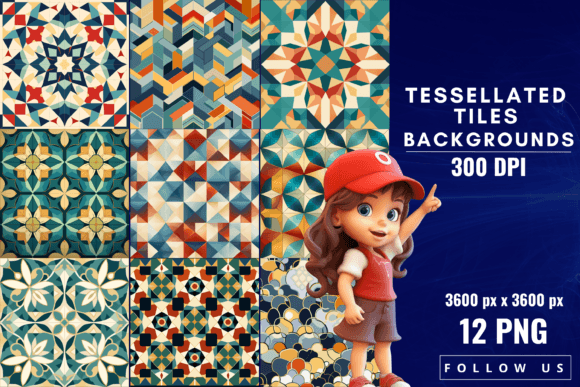
At its core, the appeal of these backgrounds lies in their balanced dissonance. The geometric component—often involving clean lines, perfect circles, or tessellating shapes—provides a stable, trustworthy foundation. It speaks to logic, technology, and clarity. The natural elements—think subtle wood grain, watercolor washes, or photographic foliage—introduce warmth, texture, and an emotional pull. The magic happens in the fusion. A high-resolution texture ensures the grain of the wood is as crisp as the edge of the square it meets. This level of detail is what separates a premium design asset from a generic one. It’s about creating a backdrop with enough complexity to be interesting, but enough restraint to not overwhelm your primary content, be it a logo, a headline, or product imagery.
This style has a distinct personality. It feels modern yet timeless, technical yet approachable. It avoids the coldness of pure minimalism and the potential clutter of maximalism. Instead, it occupies a thoughtful middle ground, making it exceptionally versatile. The key is in the execution. Poorly done, it can look jarring or like a happy accident. Well-executed, as in a carefully curated set of Geometric Meets Nature Backgrounds, it becomes a deliberate and powerful storytelling tool.
Practical Applications: Beyond a Pretty Backdrop
So, where does this aesthetic truly shine? Its strength lies in its ability to bridge conceptual gaps, making it ideal for a range of projects where you need to communicate multiple values at once.
- Brand Identity & Logo Design: For startups in sustainable tech, wellness apps, or artisanal crafts, these backgrounds can form the cornerstone of a visual identity. They signal that a brand is both forward-thinking and grounded. Using one as a texture in a logo presentation or across a brand style guide instantly communicates this nuanced personality.
- Editorial & Packaging Design: Magazine covers, book jackets, and product packaging benefit immensely from this approach. A background that blends geometric precision with natural motifs can attract a reader's eye on a crowded shelf or newsstand, suggesting the content within is both insightful and engaging. Think of a cookbook cover that uses a geometric pattern to frame an image of fresh ingredients.
- Digital Presence & Marketing: In web design, these backgrounds can be used heroically on landing pages to set a unique tone. For social media graphics, they provide a consistent, recognizable aesthetic that stands out in a fast-scrolling feed. They work particularly well for Instagram posts, Pinterest pins, and LinkedIn banners for creatives and consultants who want to project both expertise and creativity.
- Personal & Commercial Projects: From wedding invitations and event posters to website headers for a personal blog, the applications are vast. For small business owners, using such a background on a business card or thank-you note adds a layer of professionalism and thoughtful design that customers remember.
Making It Work: A Designer's Practical Checklist
Adopting a strong stylistic element like this requires more than just finding a file you like. To integrate it successfully, consider these practical steps:
- Evaluate the Core Message: Does your project need to communicate innovation and nature? Balance and growth? If the answer is yes, you're on the right track. If your project is purely corporate or purely rustic, a more traditional serif font or a clean sans serif font pairing might be more straightforward.
- Test for Readability and Hierarchy: A background is a supporting actor, not the star. Always test your foreground elements—headlines, body copy, buttons—against it. Ensure there's sufficient contrast. Often, these backgrounds work best with solid, bold typography. A strong display font for headings can hold its own against a detailed backdrop, while a simpler body font ensures readability.
- Consider the Pairing: Think about what other design assets will accompany the background. Will you use icons? Photography? Illustrations? The style should feel cohesive. A background with soft, watercolor nature elements might pair beautifully with a script font or handwritten font for a feminine, artisanal feel. One with sharp lines and photographic textures might suit a more modern, technical typeface.
- Check the License: This is non-negotiable for any professional work. Ensure the asset comes with a clear commercial license that covers your intended use, whether for a client project, merchandise, or digital products. Reputable sources for premium font and design assets will always make this information readily available.
Ultimately, Geometric Meets Nature Backgrounds are more than a trend. They represent a design language that mirrors our own world—a blend of the digital and the organic, the planned and the spontaneous. By using them thoughtfully, you’re not just decorating a space; you’re crafting an environment for your message to live and breathe in. The right background doesn't just support your content; it elevates it, creating a memorable and cohesive experience for your audience.