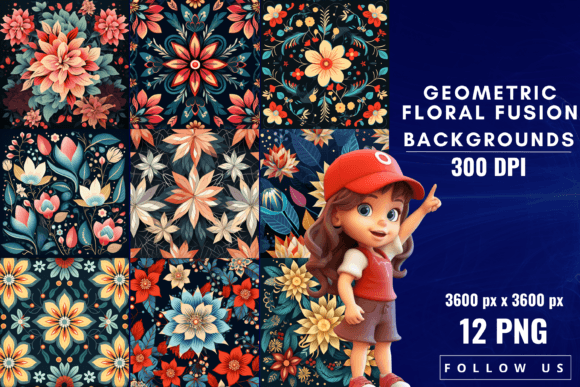
Geometric Floral Fusion Backgrounds: A Designer's Guide
There's a particular moment in design when you find an asset that just clicks. It's not just beautiful; it's useful, versatile, and solves a problem you might not have even known you had. That's the feeling I get with Geometric Floral Fusion Backgrounds. They occupy a unique space, bridging the often-separate worlds of organic nature and structured geometry. For designers, marketers, and creators, this isn't just another pretty pattern. It's a tool for building sophisticated, layered visual stories that feel both modern and timeless.
Understanding the Visual Language
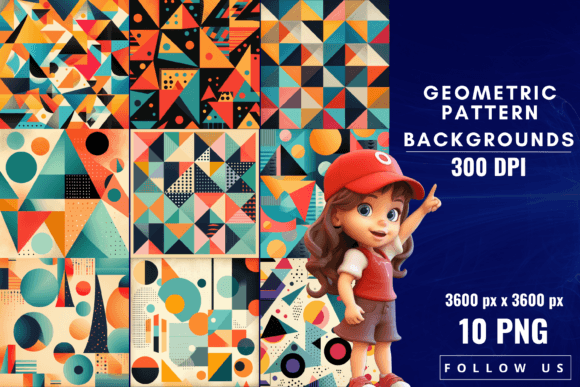
At its core, this style is a conversation between two powerful design languages. The geometric elements provide structure, order, and a sense of modern precision. Think clean lines, repeating shapes like hexagons or triangles, and a clear grid. This foundation feels professional and intentional. Layered on top is the floral component, which introduces organic curves, soft textures, and the vibrant, unpredictable beauty of nature. The fusion creates a dynamic tension that is visually captivating. It’s not a chaotic clash, but a harmonious balance where each element enhances the other.
The personality of these backgrounds is one of sophisticated creativity. They communicate a brand or project that values both artistry and clarity. It’s a style that feels at home in a high-end boutique as it does in a tech startup's branding. The appeal lies in its versatility. Depending on the color palette and the specific floral and geometric motifs, it can feel luxurious, whimsical, minimalist, or bold. For a designer, this adaptability is gold. You can use the same foundational asset to create vastly different moods for different clients or projects.
Where These Backgrounds Truly Shine
When considering where to apply Geometric Floral Fusion Backgrounds, the list is extensive. In brand identity and logo design, they can serve as a stunning backdrop for a wordmark, adding depth and texture without overwhelming the primary text. For packaging design, they create an immediate impression of quality and thoughtfulness, perfect for cosmetics, artisanal goods, or premium stationery. Imagine a sleek box with a subtle geometric floral pattern—it instantly elevates the product inside.
In the digital realm, their impact is just as strong. For web design, they make exceptional hero sections or backgrounds for key content blocks, guiding the user's eye and setting a distinct tone. In social media graphics, they stop the scroll. A well-designed post or story using this style communicates professionalism and aesthetic care, which is crucial for building a recognizable brand online. They work beautifully for quote graphics, promotional announcements, or behind-the-scenes content.
For editorial design and publishing, these backgrounds are a secret weapon. Use them for magazine feature openers, book chapter pages, or blog post headers to create a strong visual hook. They add a layer of artistic sophistication to layouts that might otherwise feel flat. And for personal projects like invitations, greeting cards, or digital planners, they provide a ready-made foundation of style that makes any creation feel special and custom-designed.
Practical Guidance for Effective Use
Integrating a strong visual asset like this requires a thoughtful approach. Here’s how to make it work for you:
- Evaluate the Fit: Before diving in, ask if the style matches your project's core message. A playful, colorful fusion might be perfect for a children's brand but less so for a corporate law firm. The background should amplify your message, not distract from it.
- Master Font Pairing: This is critical. The intricate background demands typography that can stand on its own. A clean, bold sans serif font for headlines creates a strong, modern contrast. A elegant serif font can lean into the more classic, luxurious feel. Avoid overly decorative script fonts or handwritten fonts for body text, as they can become lost in the pattern. Use them sparingly for accents only.
- Test for Readability: Always place your text over the background and check for legibility. You may need to add a semi-transparent shape, a subtle gradient overlay, or a solid color block behind your text to ensure it pops. This isn't a flaw in the background; it's a standard modern typography practice for complex visuals.
- Consider the Hierarchy: Use the background's energy to guide the viewer. Place your most important information in areas with less visual complexity. Let the pattern flow around your key messages, using visual hierarchy to direct attention intentionally.
- Review Licensing for Commercial Use: If you're using these backgrounds for client work, merchandise, or any commercial project, always verify the license. Ensure the asset is cleared for commercial font and asset use to avoid legal issues down the line. This is a non-negotiable step for any professional.
Ultimately, Geometric Floral Fusion Backgrounds are more than just a design asset; they're a starting point for creativity. They challenge you to think about contrast, balance, and composition in new ways. By understanding their visual language and applying them with strategic care, you can transform ordinary projects into memorable experiences that resonate with your audience. They are a powerful addition to any creator's toolkit, offering a unique blend of precision and natural beauty that is hard to find elsewhere.